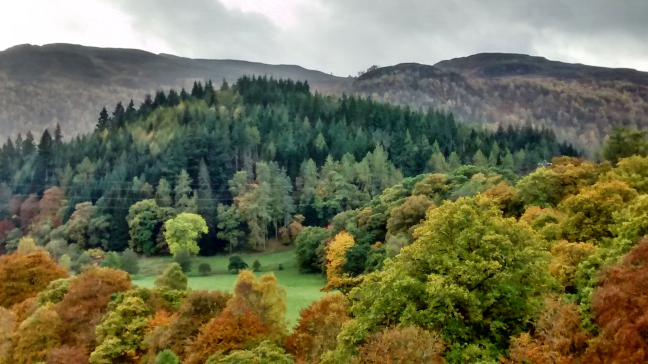
The autumn colours and apple harvest are sure signs of autumn. They bring to mind pumpkin spice, apple pies, and kids jumping carefree in the piles of leaves that we’ve carefully raked off our lawns. But why do these changes happen? What makes the trees lose their leaves and what can the trees tell us about our environment?
Trees, just like other living things, need to prepare for winter. They need to get ready to survive the bitter cold temperatures, the lack of water, and the brutal winter winds that would dry them out like a mummy, even if they don’t cause limbs to break off. Trees fall into two make groups, deciduous trees, which lose their leaves in the autumn, and conifers, which in general keep their needles and stay green year round.
Deciduous Trees
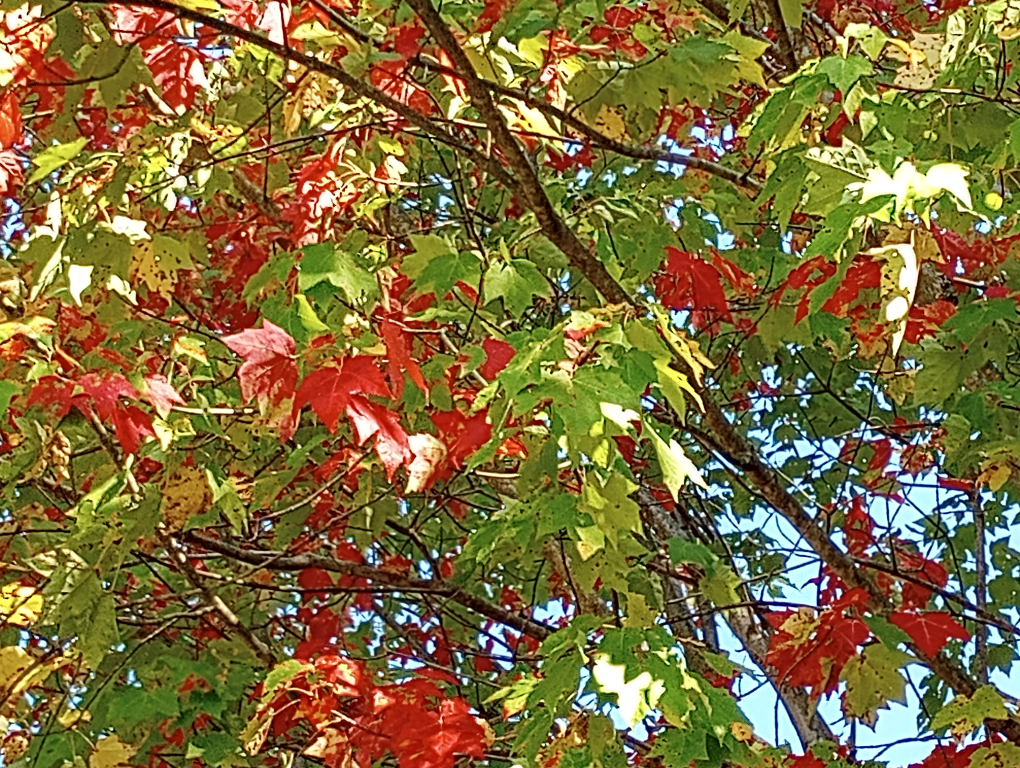
We’ll start by looking at the deciduous trees which give us the classic show of colours every autumn. These are the oaks, maples, birches, walnuts, beeches, and butternuts, to name a few. They have broad leaves that maximise the surface area to trap sunlight for photosynthesis, so they are able to convert the sun’s energy, along with carbon dioxide from the air, to glucose (a simple sugar) that the trees will use to grow. This large surface area on the leaves is great for the warm spring and summer months, with more water available but not so much when it comes to the cold and windy weather of late autumn and winter. We’ve all seen the leaves change colour, they lose the green for the beautiful reds, oranges, and yellows, and eventually fall to the ground where they provide insulation and are broken down by the decomposers in the ecosystem, their nutrients returning to the soil for the trees and other plants to take up as they grow again in the spring. But what is actually happening within the trees and what is the trigger? What causes these changes?
The green in the leaves comes from a pigment called chlorophyll, the main chemical that traps the energy from sunlight in photosynthesis. Throughout the spring and summer, trees are making chlorophyll at a fairly constant rate to replace the chlorophyll molecules that are breaking down into smaller molecules. As we move from late summer into autumn chlorophyll production slows down and eventually stops. Why? The trees are reacting to the change in the sunlight. They are reacting to the reduction in the number of hours of light, the photoperiod, and the intensity of the light available, which reduces the amount of photosynthesis the trees are able to do, limiting the amount of sugar they can produce. With the breakdown of green chlorophyll, the other pigments that are in the leaves become visible xanthophyll which is yellow, carotene giving us the golds and oranges, anthocyanin which produces the reds, violets, and blues, and the tannins, the brown that are left behind when all of the light (photo) sensitive pigments are gone.
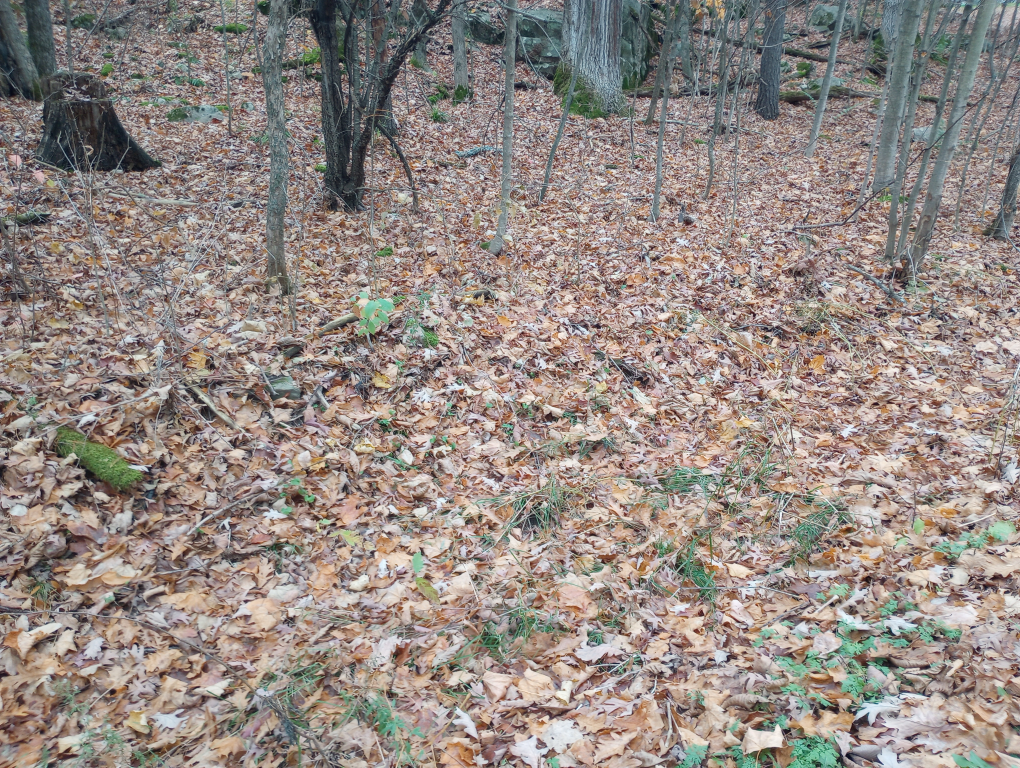
After all the changes in leave colour they eventually fall off the trees. This helps them survive the winter in several ways. It limits the water loss in the drier winter weather. It reduces the amount of snow that can settle on the trees so that the weight on the branches is less likely to break them. It also reduces the damage from string winter winds as the air currents will flow through branches instead of pushing against the leaves and putting more strain on the tree limbs and stems. The autumn change in light conditions comes with colder and drier weather. These changes cause stress in the plant leading to a process called abscission, or leaf loss. When under stress plants react by reducing the levels of auxin (a plant growth hormone) and increasing levels of abscisic acid, slowing down and even stopping the growth of cells where the leaf stem is attached to the tree branch. This triggers to release of ethylene (a plant hormone that causes fruit ripening and death of plant tissues). The ethylene causes the formation of what’s called an abscission layer, a layer of dead cells between the leaf stem and where it is attached to the branch, resulting in the leaf falling to the ground.
Another change that we can’t see, is the water stored in the leaves and upper branches and the tree trunk is pulled out of the cells as it freezes, protecting the cells from bursting with the expanding of the water as turns to ice. The higher sugar levels inside the cells lower the freezing point of the water inside them. The trees also produce antifreeze proteins that prevent the formation of more ice crystals when it gets really cold.
Conifers
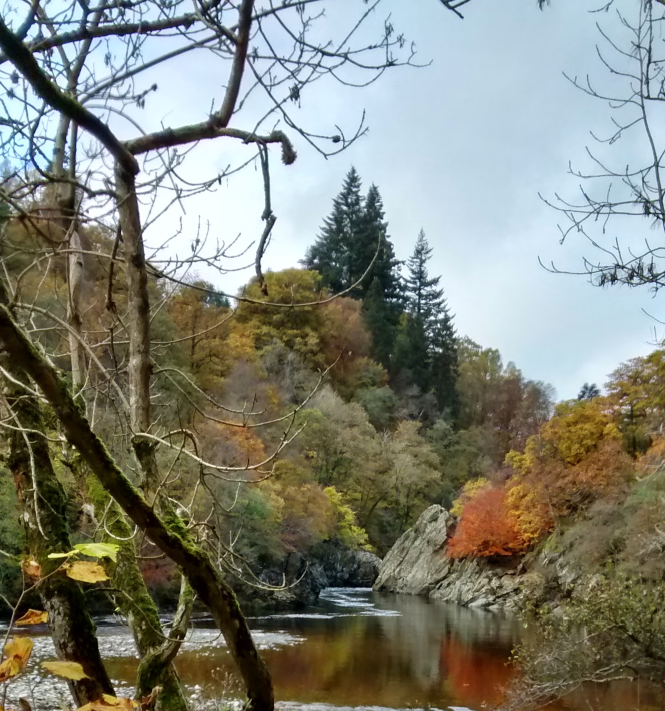
Conifers, or evergreens, generally keep their leaves for a couple of years before losing them but they don’t lose them all at once. That’s because their leaves are specially adapted to the cold and dry and windy conditions of winter. Their leaves are long and thin and shaped like needles, so the surface area is very small, so they lose tiny amounts of water compared to their broad-leaved cousins. The needles are also covered in a thick waxy coating, which reduces water loss by a lot. Keeping their needles allows conifers to make their own food through photosynthesis for a much longer time, important in the shorter growing season in northern climates. Conifers use similar antifreeze adaptations to the deciduous trees in addition to a system of tiny valves that help to restore the water pressure and water supply in the tree stem during warmer periods throughout the winter.
The cone or steeple shape of conifers helps to shed any snow that lands on their branches, kind of like a roof on a house, especially one with a steep pitch. This helps to protect them from damage caused by the weight of heavy winter snow buildup.
What Can We Learn From Trees?
Trees can teach us a lot about the cultural and environmental history of where we live, work, and play. From stories of the peoples of your home to weather conditions, there is a lot to learn from trees.
Indigenous Teachings
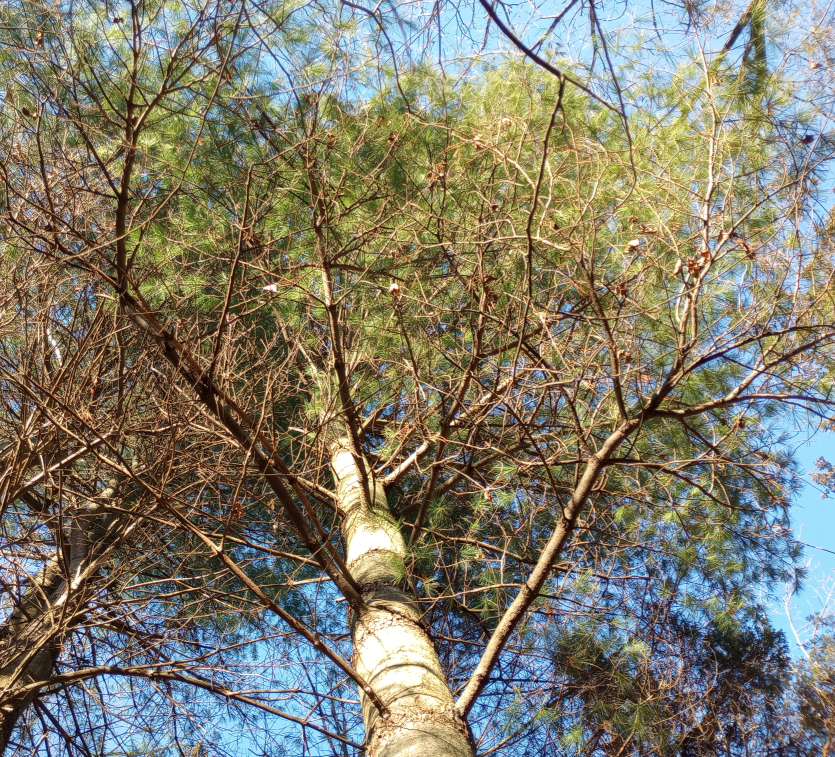
Where I live, the Thousand Islands region is home to many different nations, including the Haudenosaunee people. You may have heard of the Mohawk, one of five nations of the Haudenosaunee Confederacy who at one time fought amongst each other. The Peacemaker, with the help of Hiawatha, brokered a peace with the help of a white pine tree. Which is now known as the Great Tree of Peace which he planted. That peace continues today. You can get an illustrated version of the story of Hiawatha and the Peacemaker for children from GoodMinds.com, an indigenous bookstore near Brantford, Ontario.
I encourage you to seek out and learn the indigenous stories around the trees in your area. You will gain a deeper understanding of the peoples where you live and become more connected with the land.
Old Wives Tales
Here are some interesting ways of predicting a harsh winter from trees. Whether there is any truth to them I leave you to figure that out for yourself.
- Are the fruit trees producing more fruit than usual? This could be a sign of a long harsh winter. Similarly, oak trees full of acorns and larger than normal pine cones could mean a bad winter is on the way.
- What about the shell thickness of acorns, hickory nuts, and walnuts? If it’s thicker than normal you could be facing a long hard winter. Nature’s way of protecting the seeds and helping them survive for spring?
- Some people even say that the brighter the autumn colours the harsher the winter will be. But as we saw earlier in this post, the colours depend on several factors including the conditions during the growing season, temperature and light conditions in the autumn, and most likely cannot predict the coming winter weather.
Tree Rings
When we cut a tree down we can see their growth rings from every year of their life. Scientists can also take core sample of living trees to see sections of these rings. Tree rings are a window into the climate of the past. Thicker rings tell us of good growing seasons with plenty of water available. Thinner rings match drought years. By using core samples from trees in a specific geographic region a timeline of growth rings can be built up and used by archaeologists and dendrochronologists to determine the age of wooden buildings. They do this by comparing the rings in the local core sample timeline to the rings from core samples of large wooden beams in old structures. If they match they can determine when the tree in that building was harvested.
Trees are amazing organisms that have adapted well to the conditions and seasons where they grow. They are important to us not just as part of the environment but through the stories they can teach us. The cultural and historical significance of trees is far-reaching. Next time you stop under a tree think about what that tree has seen over its lifetime. If the ancient oaks of Sherwood Forest in Nottinghamshire UK or the Giant Redwoods on the west coast of North America could talk.